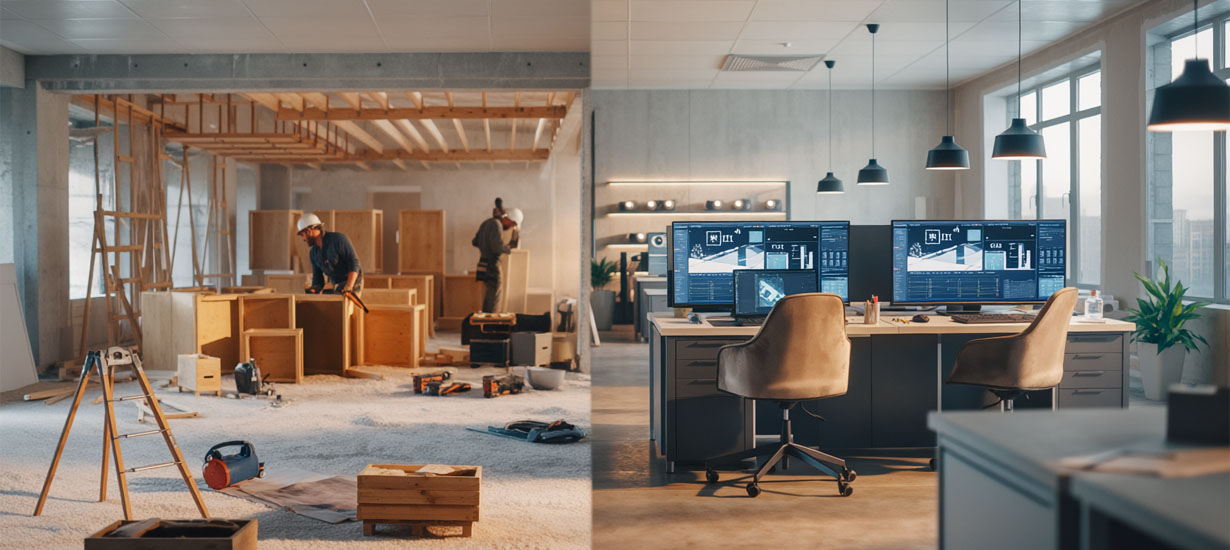
 Innovations in Millwork Drafting: How Modern Tools Improve Accuracy, Speed, and Install Success
Millwork has always demanded precision—tight tolerances, clean reveals, flawless alignment, and shop drawings that installers can trust. What’s changed is how we get there. Today’s best millwork drafting services combine proven drafting fundamentals with modern workflows that reduce errors, speed up approvals, and produce cleaner fabrication-ready drawings.
At Breakline Drafting Solutions, we build shop drawings that help millwork shops, GC teams, and designers move from concept to install with fewer RFIs, fewer field surprises, and smoother coordination.
1) 3D-Driven Drafting That Catches Conflicts Earlier
Even when a project is delivered as 2D plans, converting key millwork assemblies into a 3D workflow can reveal issues that are easy to miss: collisions with MEP, door swings, trim returns, panel thickness conflicts, and clearances around appliances or hardware.
The advantage isn’t “making it look pretty”—it’s identifying problems before fabrication. That’s the real value of modern millwork drafting: tighter coordination and fewer last-minute revisions.
2) Smarter Layering, Standards, and Detail Libraries
One of the biggest productivity upgrades in drafting isn’t flashy software—it’s consistency. Clean standards reduce confusion for everyone downstream: estimators, CNC programmers, shop foremen, and installers.
- Standardized layers, lineweights, and callout styles
- Reusable detail libraries for recurring conditions (scribes, fillers, crown builds, light rails)
- Repeatable sheet organization that makes approvals faster
When your drawings read the same way job after job, you reduce training time, rework, and interpretation errors.
3) CNC-Ready Thinking: Drafting That Supports Fabrication
More millwork projects are being built with CNC workflows, and drafting has evolved to support that reality. The best drawings anticipate fabrication needs: panel sizes, material thickness, edge banding notes, boring patterns, and hardware requirements—clearly documented so the shop can act quickly.
Whether your shop uses Microvellum, Cabinet Vision, or other production methods, modern millwork shop drawings should translate cleanly into fabrication decisions.
4) Better Coordination: Field Dimensions, Site Conditions, and Real-World Install
Innovations aren’t only digital—today’s drafting workflows are more coordinated with what happens in the field. That means:
- Clear “verify in field” notes where needed (and only where needed)
- Defined responsibility lines between trades
- Smarter dimensioning that supports layout, templating, and installation sequencing
A great millwork drawing doesn’t just describe the product—it supports the install process.
5) Faster Turnarounds Through Collaborative Review Cycles
Modern drafting also means smoother review cycles. When markups come in, the goal is to respond quickly while keeping revision control organized. A streamlined drafting partner helps by:
- Maintaining clear revision tracking
- Applying consistent notes and change clouds
- Reducing back-and-forth by clarifying questions early
The result is fewer stalled approvals and a more predictable path to release.
What This Means for Your Millwork Shop
These innovations all point to the same outcome: better drawings that reduce risk. When drafting is modern, coordinated, and fabrication-aware, you get:
- Cleaner submittals and faster approvals
- Fewer RFIs and fewer change orders
- More reliable fabrication planning
- Smoother installs with less field rework
Need Millwork Drafting Services That Keep Projects Moving?
If you want shop drawings built for real fabrication and real installs, Breakline CAD Drafting can help. We support millwork teams with accurate, detailed, and consistent drafting—so you can produce confidently and install cleanly.
Learn more about our Architectural Millwork Shop Drawings
Explore our full drafting services
Request a quote today
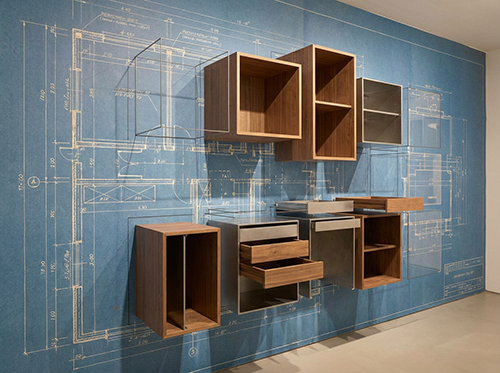 drawings transform conceptual ideas into precise technical plans that guide the fabrication and installation of custom woodwork. At Breakline Solutions, we believe that clear, detailed shop drawings are the foundation of every successful millwork project — whether you’re working on cabinetry, trim work, built-ins, or custom furniture.